
Contact sales
1800 986 5682
1800 986 5682


DPDPA 2023 Consulting
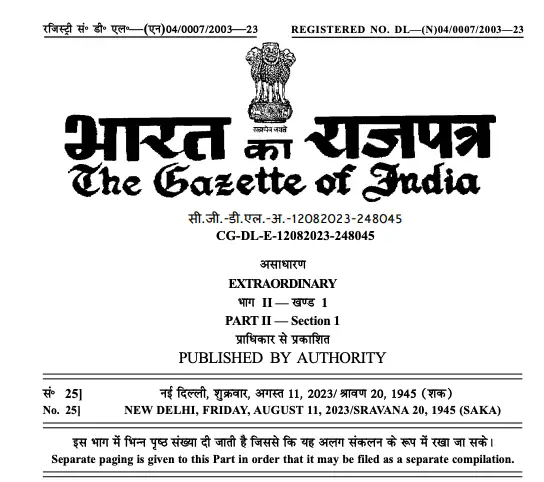
<p>The Digital Personal Data Protection (DPDPA) Act, 2023 is India’s data privacy law governing collection, processing, and storage of personal data. It emphasizes user consent, data principal rights, and obligations for organizations. The Act mandates data security, breach reporting, and penalties for non-compliance, aiming to ensure responsible data handling and privacy protection.</p>
The DPDP Act, 2023 Enquiry Form
Key Features

Data Discovery & Classification
<p>Identifies and maps personal data across systems, applications, and storage environments. Classifies data based on sensitivity and usage to ensure proper handling under DPDPA. Helps organizations understand what data they hold, where it resides, and how it flows across the ecosystem.</p>
Consent Management Framework
<p>Implements mechanisms to capture, manage, and track user consent in compliance with DPDPA requirements. Ensures consent is free, informed, specific, and revocable. Enables organizations to maintain audit trails and demonstrate lawful processing of personal data.</p>
Data Principal Rights Management
<p>Establishes processes and tools to handle user rights such as access, correction, and erasure of personal data. Ensures timely response to requests while maintaining compliance with regulatory timelines and improving transparency and trust with users.</p>
Privacy Policy & Governance Framework
<p>Designs and implements privacy policies aligned with DPDPA guidelines. Defines roles, responsibilities, and governance structures for data protection. Ensures clear communication of data practices to users and establishes internal accountability mechanisms.</p>
Data Security & Protection Controls
<p>Implements technical and organizational measures such as encryption, access control, and monitoring to protect personal data. Ensures compliance with DPDPA’s security requirements and reduces the risk of data breaches and unauthorized access.</p>
Data Breach Management & Reporting
<p>Develops incident response plans to detect, manage, and report personal data breaches. Ensures timely notification to authorities and affected individuals as mandated under DPDPA, minimizing impact and ensuring regulatory compliance.</p>
Third-Party Risk Management
<p>Evaluates and monitors vendors and partners handling personal data. Ensures third-party compliance with DPDPA through due diligence, contracts, and ongoing assessments, reducing risks arising from external data processors.</p>
Data Retention & Deletion Policy
<p>Defines data lifecycle policies to retain personal data only as long as necessary. Implements secure deletion mechanisms and ensures compliance with DPDPA principles of data minimization and storage limitation.</p>
Audit, Compliance & Training
<p>Conducts regular audits to assess DPDPA compliance and identify gaps. Provides employee training and awareness programs to build a privacy-first culture. Ensures continuous improvement and readiness for regulatory inspections and evolving data protection requirements.</p>
The DPDP Act, 2023